Sand Mixing Bowls – Simpson Technologies

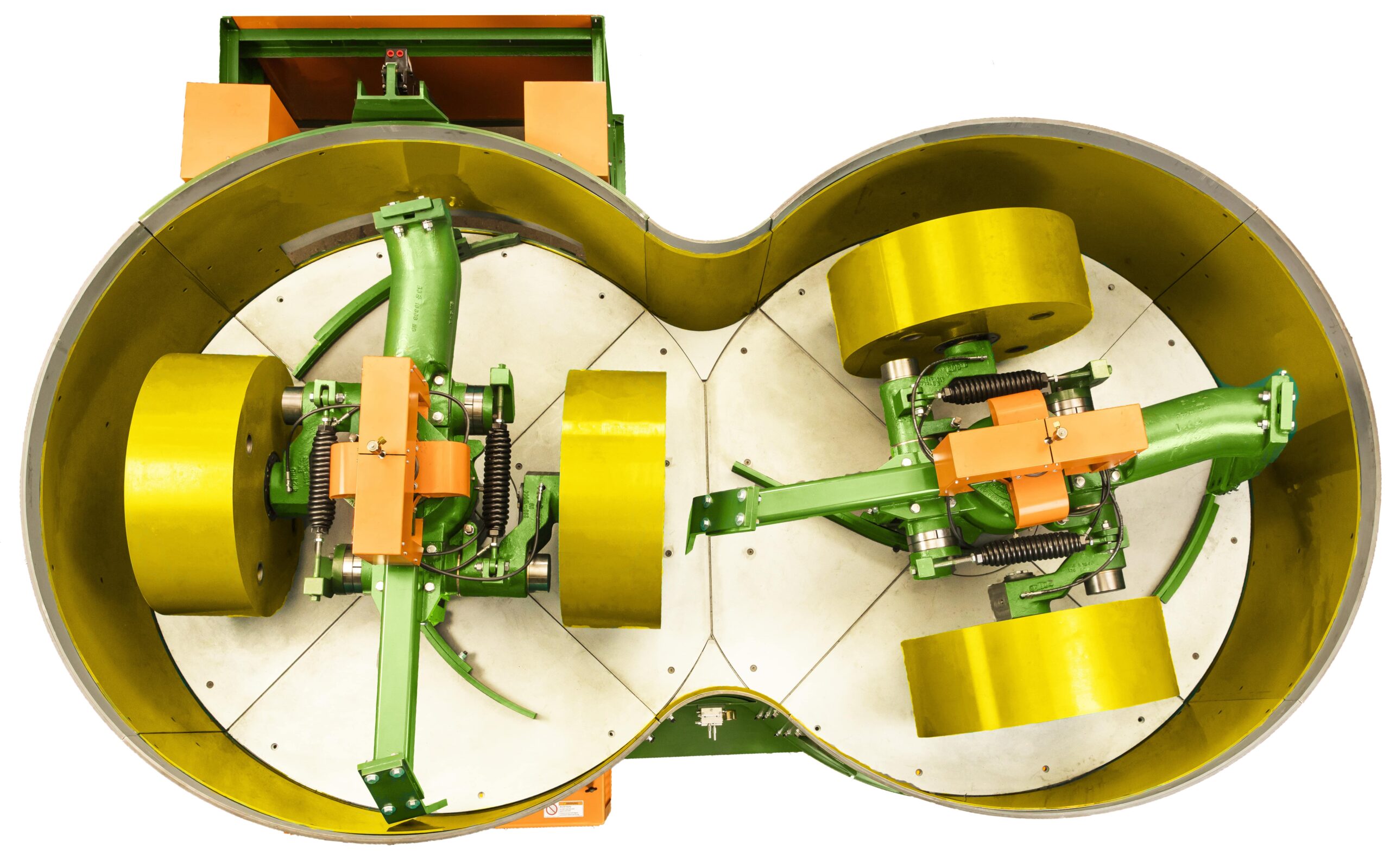
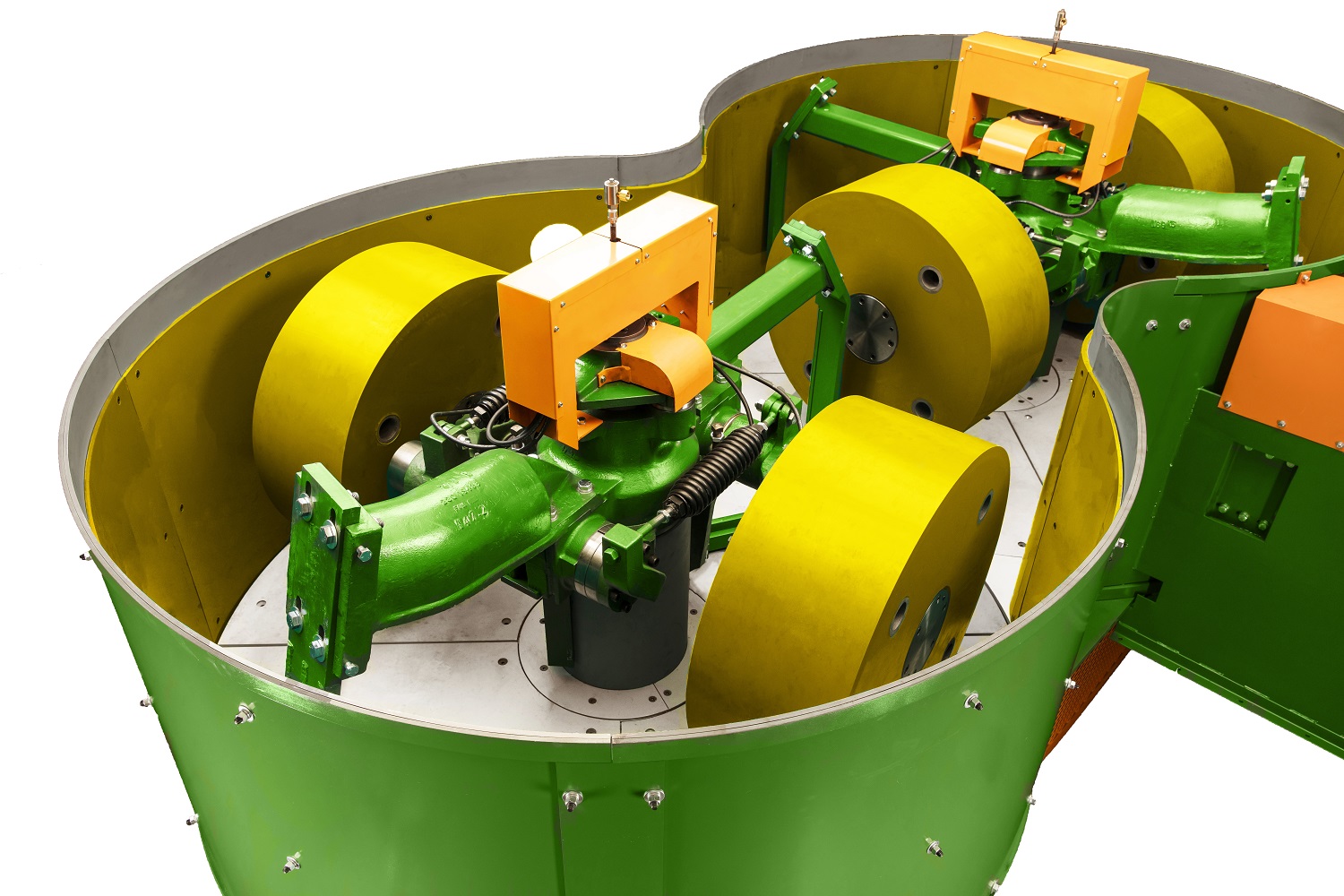
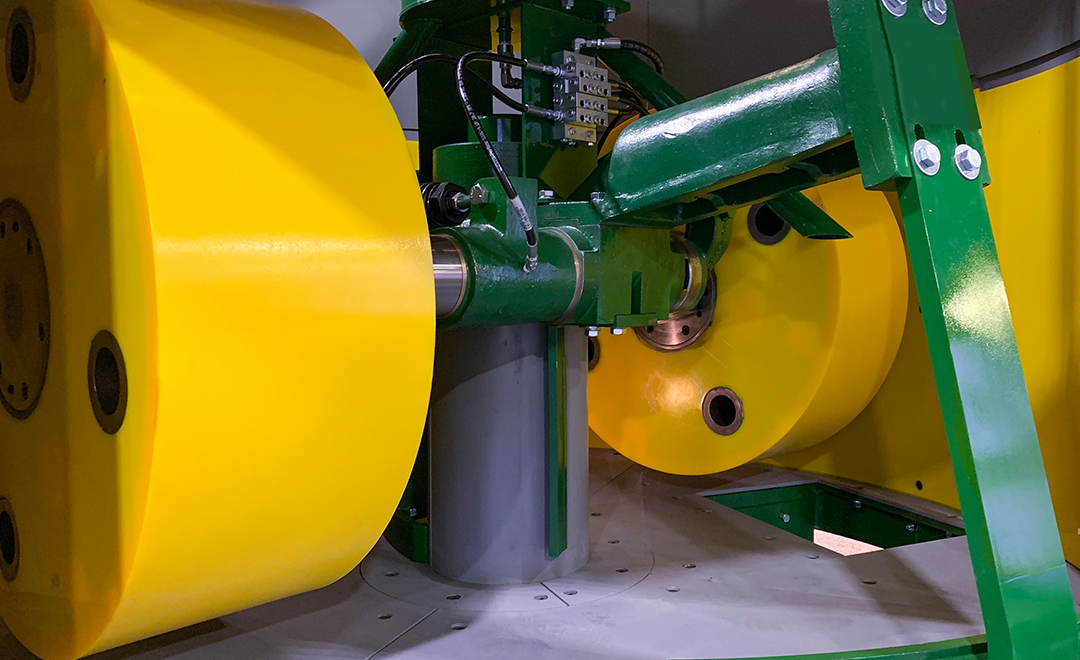
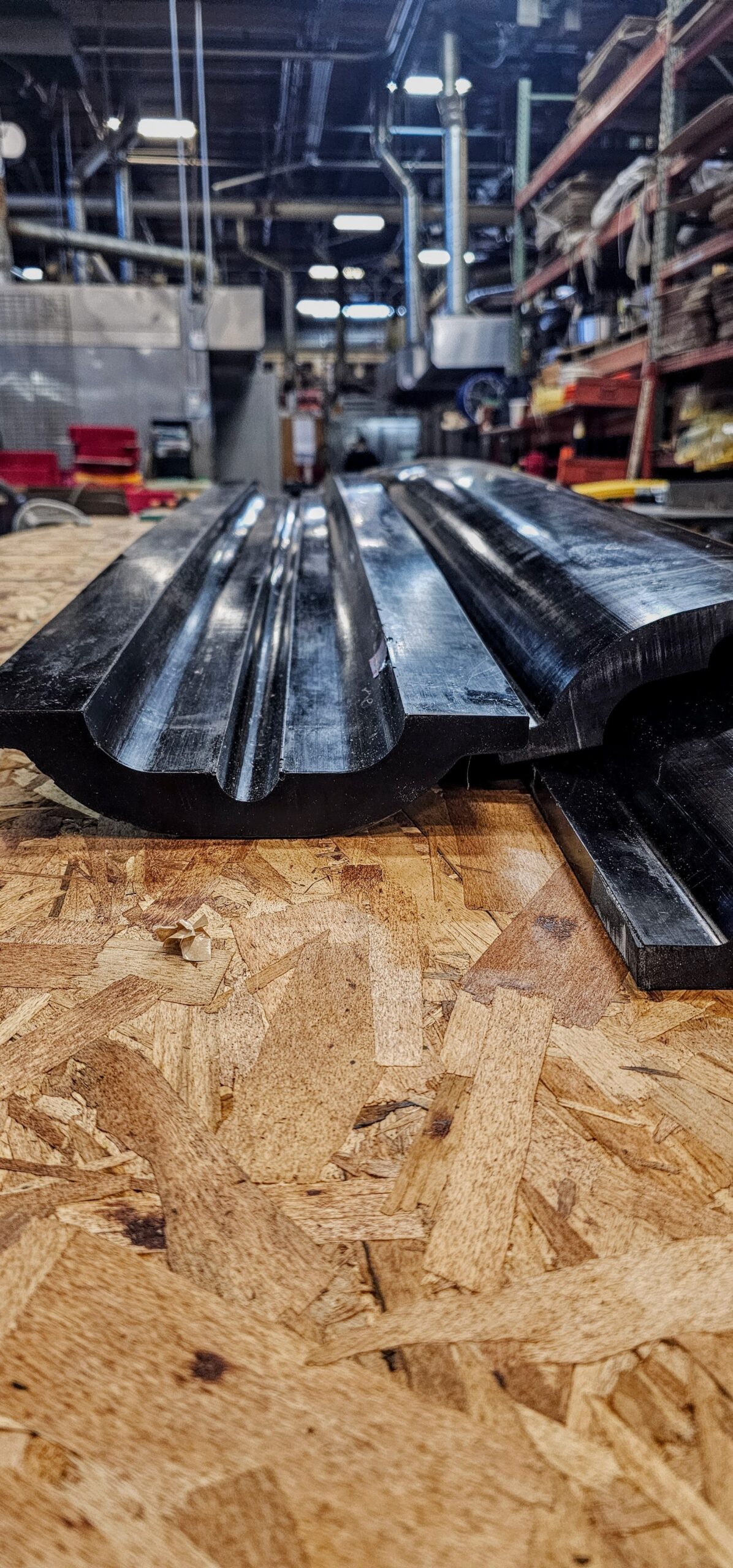
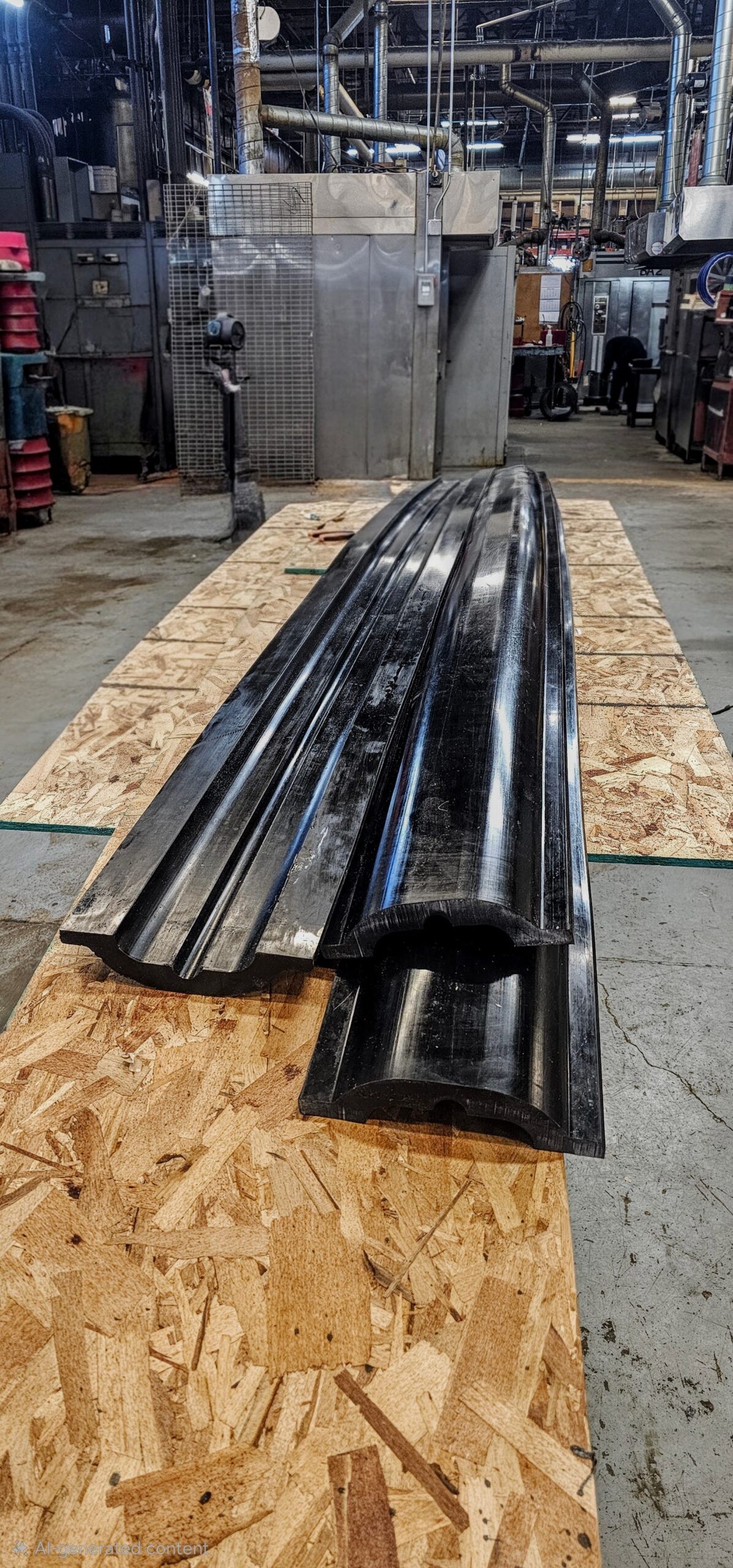
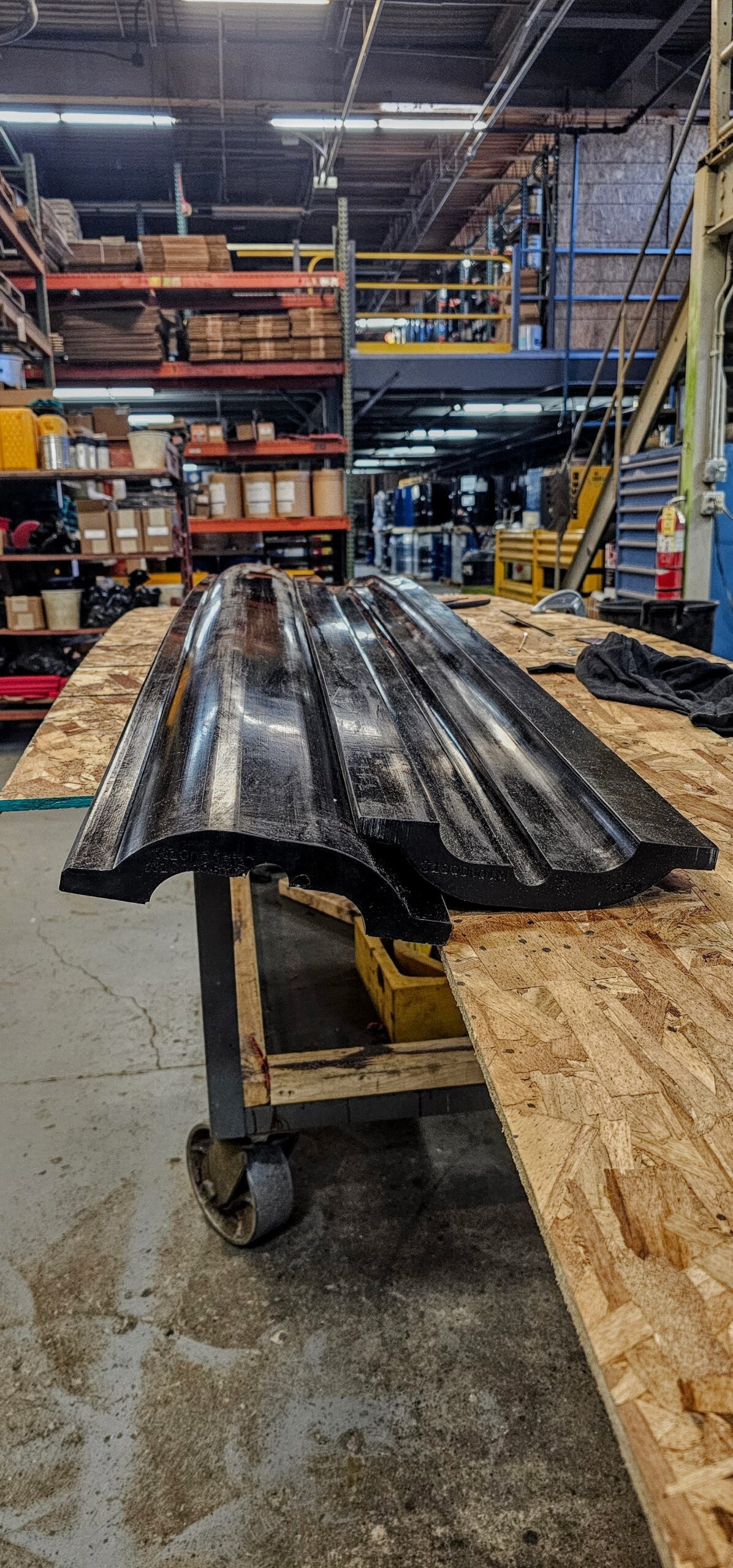
Our engineering team is always prepared to respond to client requests for solutions. The sand preparation equipment maker Simpson of Naperville, Illinois, was looking for a liner that would protect their machinery and make molding sand more consistent. Improved mulling efficiency, reduced maintenance costs, longer service life, and wear indication are just a few of the important benefits that our team’s specially designed liners provide. Kastalon’s engineering genius is on full display with our urethane-lined mixing bowls, and we couldn’t be happier to brag about our incredible team!
—-

In industrial foundry applications, a urethane-lined Simpson mixing bowl is primarily purchased for its extreme durability and efficiency in high-production environments. These liners are designed for Simpson intensive mixers, such as the Speedmullor and Multi-Mull, to protect the equipment and improve the consistency of molding sand.

Core Benefits for Foundry Operations

  • Extended Service Life: Polyurethane liners are a long-term solution that typically outlasts standard rubber liners by three times or more.
  • Reduced Maintenance Costs: Because they are highly resistant to wear, these liners minimize the frequency of replacements and the associated labor costs during maintenance shutdowns.
  • Maximized Mulling Efficiency: The liners are specifically formulated and precision-fitted to help the mixer achieve optimal sand quality and uniformity.
  • Wear Indication: Many Simpson urethane liners feature a bright yellow color that acts as a visual wear gauge; as the color fades over time, it indicates exactly when the liner needs to be serviced or replaced.

Design Advantages

  • Secure Mounting: Simpson’s design uses larger diameter washers and reinforced mounting points to prevent bolts from pulling through the urethane, ensuring the liner stays firmly attached to the bowl and door.
  • Close Tolerance Fit: The liners are manufactured for a precise fit within the mixer bowl, which prevents sand buildup and ensures consistent performance across the entire mixing cycle.
  • High Performance: For high-volume foundries, the initial investment in urethane is often offset by the reduction in “profit-robbing downtime” caused by frequent parts failures.

Simpson, A Norican Technology
Simpson is a global leader in foundry and process technology, offering over a century of expertise. With a focus on innovative solutions for sand preparation, testing, and control technology for the foundry industry, boosting productivity, sustainability, and profitability for foundries worldwide.

https://www.simpsongroup.com/process-mixers/
https://www.facebook.com/simpsontechnologies/
https://www.linkedin.com/company/simpson-technologies/


Helping Gentle Giants

ORIGINALLY WRITTEN: June 19, 2014

Design engineers rely on specially formulated monolithic urethane to protect manatees from injury and death.

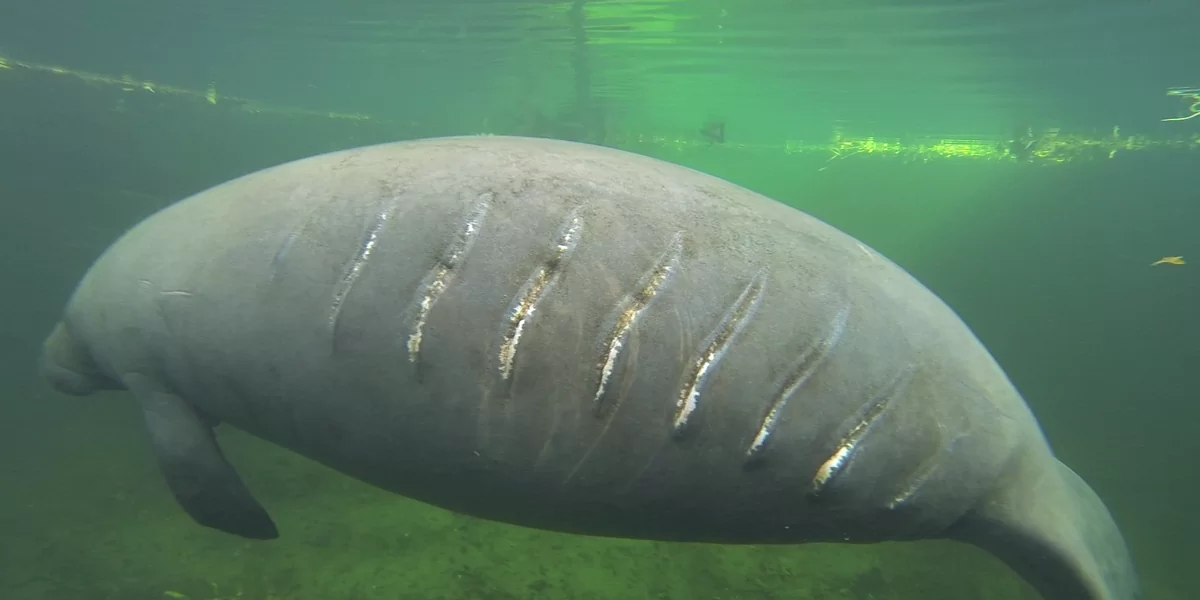
Endangered manatees are getting a helping hand from design technology. Thanks to the efforts of engineers at the Harbor Branch Oceanographic Institution and the materials technology at Kastalon Inc. , these gentle creatures have a better chance of staying alive. The Florida manatee is one of the most threatened marine animals in the United States. They are often killed by collisions with boats or from entrapment in man-made structures. In fact, only a few thousand of these friendly “sea cows” can be found in the shallow rivers, bays, canals, and coastal areas of the Florida peninsula.

South Florida Water
Management, which operates a series of remote controlled gates that regulate the water level in its vast system of canals, knew more had to be done to save these sea wonders. The canals, full of warm brackish water, attract numerous manatees. Finding warm water is a matter of survival for them. If manatees remain in the Gulf of Mexico after the water turns cold, they risk catching a fatal respiratory illness. However, the warm waters of the canals can also prove fatal to the slow-moving manatee. The vertical gates that regulate water flow between the canals and ocean are unmanned. Manatees, which measure about 12 feet long and weigh about 1,000 pounds, are often trapped when the 20- to 33-foot-wide gates close. Since no one is around to rescue them, the manatees die. Making matters worse is the turbulent flow of water through the gates, which carries all manner of debris from floating branches to illegally discarded washing machines.

Fortunately, seven sophisticated manatee protection systems are currently in place in the canal system, and an additional 13 have been contracted. These systems are sensitive enough to detect the soft body of a manatee and yet are not prone to false alarms triggered by debris.

The first system was installed on the Miami Canal in 1996. “This site had the worst record of manatee mortality before the system was installed,” recalls Larry Taylor, Harbor Branch Oceanographic Institution’s EE production manager and the project manager for manatee protection systems. “Since the system has been online, there has not been another injury.”

The engineers at the Harbor Branch Oceanographic Institution invented the manatee protection system after extensive testing of various alarm mechanisms. Called the Manatee Piezo-Electric Detector bumper system, it allows the vertical gates, which move at a fixed speed of 6 inches per minute, to gently contact the manatee, stop, and then reverse without harming the animal. The system’s sensor is sensitive enough to distinguish between a large object being violently pushed into the bumper and a manatee caught in the lowering gates. In addition, the unique shape of the bumper protects the sensor from impact.

“The bumper sensor design provides an extremely sensitive detector for the endangered manatee while including the ruggedness required for the industrial submerged environment,” says Taylor. “Kastalon provided the custom molding capability and the perfect materials for us to meet the required 10-year service life of this system.”

Kastalon, a manufacturer of polyurethane components located outside Chicago, developed the durable material needed for the bumper system. It’s a specially formulated monolithic urethane engineered to withstand years of continuous submersion in brackish water as well as impact from surging water and moving debris. Designed to offer mechanical properties stronger and more durable than rubber, it also resists both UV rays and salt water.

During a demonstration of the manatee protection system, a plump tomato was used to simulate a manatee. When light pressure was applied to the tomato, the system activated without damaging the tomato. More important, the Harbor Branch Oceanographic Institution has confirmed dozens of cases in which a manatee has been spared from injury or death.
“Although a good design is always rewarding to an engineer, saving an endangered animal really makes this project special,” says Taylor.

More information on polyurethanes and urethanes is available by contacting Kastalon Inc., 4100 W. 124th Place, Alsip, IL 60803 or calling (708) 389-2210. www.kastalon.com


Kastalon manatee bumpers are highly sensitive sensor-integrated components designed to protect endangered manatees from being crushed by heavy industrial equipment in submerged environments. They work by combining a specialized durable material with an extremely sensitive internal detection system that can stop heavy machinery upon the lightest contact. 

How They Work

The “manatee bumper” is part of a larger manatee protection system typically used in locks or gates within industrial waterways. 

  • Sensor Activation: The bumpers act as sensitive detectors. During demonstrations, the system was shown to activate with only light pressure applied to a plump tomato (used to simulate a manatee) without damaging the fruit.
  • Signal Feedback: When the bumper detects an obstruction, it sends a signal to the industrial control system to immediately halt the movement of gates or other submerged equipment.
  • Energy Absorption: Like other Kastalon products, the monolithic urethane material is engineered to absorb impact energy from surging water and debris, preventing Why They Are Special

These bumpers are unique because they balance extreme sensitivity with the “ruggedness” required for harsh marine conditions. 

  • Specialized Material: They are made from a monolithic urethane formulated specifically to withstand years of continuous submersion in brackish water while remaining resistant to UV rays and salt water.
  • Longevity: While standard rubber may degrade quickly in such environments, the Kastalon system is designed for a 10-year service life.
  • Proven Results: The Harbor Branch Oceanographic Institution has confirmed dozens of cases where these specific bumpers have spared manatees from injury or death.
  • Mechanical Superiority: The material is stronger and more durable than traditional rubber and can withstand the constant impact of surging water and moving debris. 


Rewind expanding mandrel at Main Steel

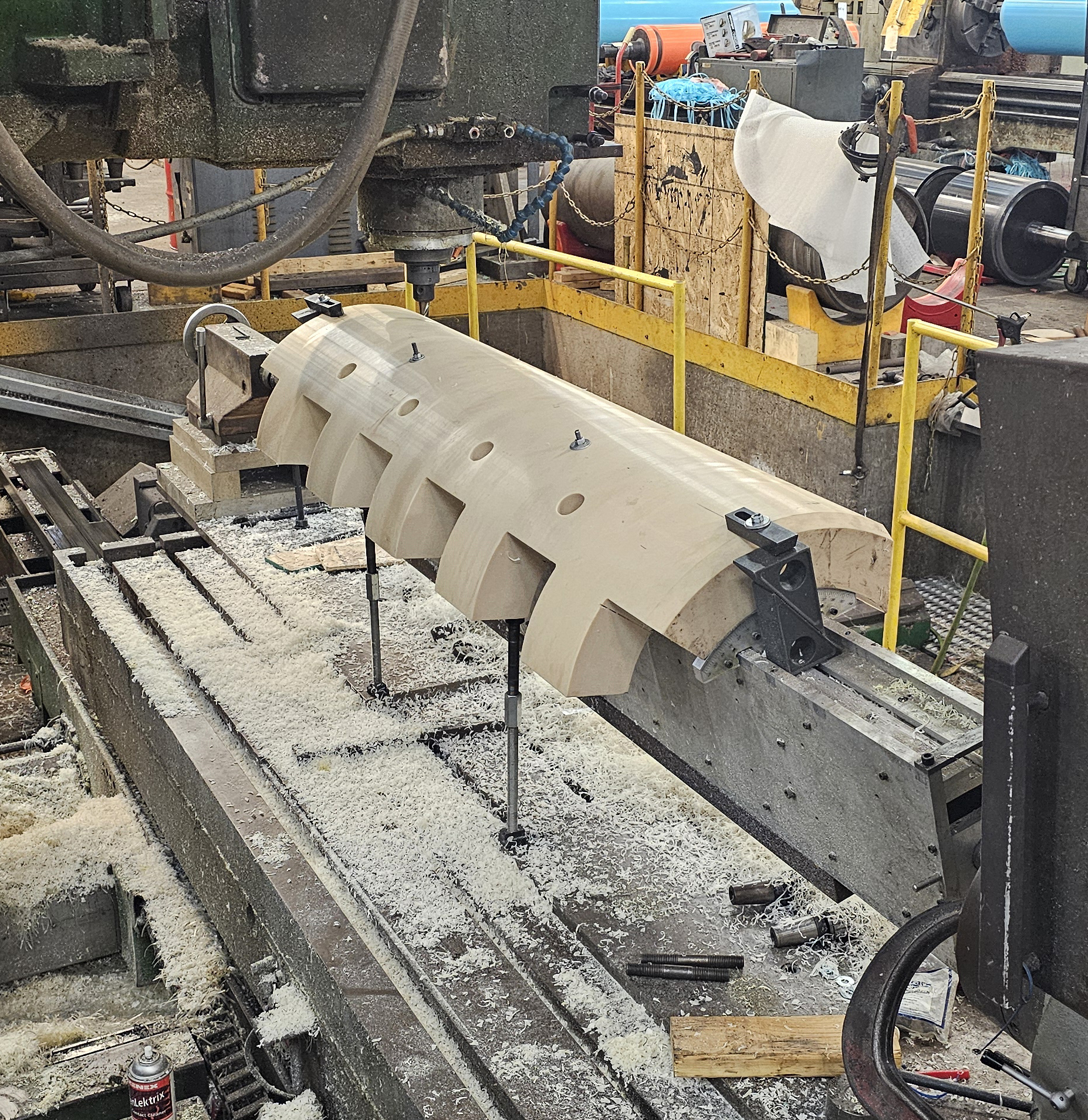
A rewind expanding mandrel at Main Steel, known for its work in stainless steel and non-ferrous bright metal processing, was initially 16 inches in diameter. However, as some clients began requesting coils with a 24″ ID, Kastalon stepped in to make it happen. Our team crafted a collection of 24″ OD filler plates tailored for their 16″ diameter mandrel to meet this customer need. To hide the mandrel’s wedge shape, the engineers at Kastalon got creative with the filling plates, designing them to resemble pumpkin teeth. This design minimized downtime during the installation of the filler plates and cut the number of plates from four to three. This design exemplifies the exceptional capabilities of both our clients and the Kastalon engineering team.

    Join us at AISTech 2026! – May 4-6, 2026, Pittsburg, PA

    May 4-6, 2026
    David L. Lawrence Convention Center, Pittsburg, PA
    Booth #1255
    Registration for AISTech 2026 is now open

    Kastalon Polyurethane Products is honored to once again be exhibiting at AISTech 2026 trade show on May 4-6 in Pittsburg, PA. Our booth, Booth #1255, will showcase our Koat-A-Roll® sleeves, coil floor pads, coil saddles and crane bumpers, as well as demonstrate how to install our sleeves, hot cast rolls and introduce our new “Magnetic” Fork-Kushion® truck lift bumpers! Be sure to stop by #1255 to chat with our experts or schedule a meeting for a more in-depth discussion.

    Check out more about the AISTech Show, booth exhibitors and sponsors. See you at the show!

    3D Printed Molds at Kastalon Create New Polyurethane Product Categories

    Integral, but often out of sight: conveyor rollers for assembly lines, brake pads for roller coasters, and wheel chocks that hold fighter jets in place…Polyurethane parts are essential to the operation of the overall system, though they may not be the first material we think of when we look at a product. To function smoothly as part of larger assemblies, polyurethane parts need to be designed for optimized material usage, tight tolerances, and prolonged load-bearing or deformation.

    Kastalon, a polyurethane manufacturer in Illinois, has been problem-solving for decades to produce thousands of customized polyurethane parts that can satisfy this diverse range of requirements. Product Engineer Brian Baer spoke to us about how the Form 3L large-format stereolithography (SLA) printer opens up new opportunities for tooling, manufacturing aids, and new product research and development.

    “Being able to 3D print a brand new mold is a very big advantage for small changes and adjustments. It’s also great for us that we can achieve the +/- .005 tolerance. We’ve done things we weren’t able to do before, and the volume is steadily increasing.”

    Combining 3D Printing With Traditional Machining at Kastalon

    Kastalon designs and fabricates hundreds of customized molds to produce hundreds of thousands of polyurethane parts. Traditionally, when customers submit end-use part requests, the team at Kastalon evaluates the part for molding feasibility before machining the mold out of aluminum or steel.

    In the past, the expense and complexity of the machining process sometimes forced Kastalon, like many plastics manufacturers, to turn down parts that were too complicated to mold or not cost-efficient for short runs and prototyping. Molds with too many interlocking features, tiny channels, or pins were often inefficient to design, machine, and sometimes totally rework. Still, turning away business was hard, and because Baer had worked with various 3D printing technologies at school, he started researching other ways of fabricating molds.

    A previous foray into 3D printing years ago had soured some of the team on the technology, so Baer had specific requirements to look for in his research. They needed a machine that could handle tolerances of +/- .005 in, materials that could withstand molding temperatures of 180-300 °F, and a system that was affordably priced.

    “​​It wasn’t until I found Formlabs and saw the variety of materials that withstand high temps and do very specific things that I realized this printer can actually be applied to [the] types of things we do.” Brian Baer, Engineer

    In late 2022, the Form 3L arrived at the Kastalon office, but it took some testing to get everyone on board. At first, colleagues were skeptical of the materials and tolerances possible, until Baer printed a few test pieces. “I printed the machine shop a part and they did an RA surface roughness test. The shop manager was very impressed that it could match the specs that I had given him and by how smooth the part was,” Baer says.

    Now, Baer says, the machine shop manager is the first to send parts to him for 3D printing rather than machining. “He’s one of the first people to suggest 3D printing when we have jobs it can be applied to. The machine shop is swamped with larger projects – if there’s anything smaller that can be printed, he wants us to take it and give him more bandwidth,” says Baer.

    New Opportunities in Geometry, Testing, and Operations

    3D printing opens up new possibilities for molding polyurethane parts. Kastalon’s engineering team can try new design features and geometries that metal molds just can’t complete, or make small changes to designs without worrying about wasting a machined mold. The team can confidently put forth new designs because they’ve been able to extensively test and iterate without fear of bogging down the machine shop with small changes.

    Tail Puller Clamp Mold: Made Possible Through 3D Printing


    Kastalon had to turn away a customer who requested a part that had 24 blind holes offset from the top surface — the mold would simply be too difficult to machine. With the Form 3L and High Temp Resin, Baer was able to print and cast the finished polyurethane part (right) in under a day.

    Before the Form 3L arrived, the Kastalon team had to tell a customer that they couldn’t take the order for the Tail Puller clamp mold part. Though it might have been possible after a lot of trial and error, the array of 24 tall pins doesn’t go all the way through, and the clearance between them is 0.03125 in.

    The clearance and the fact that each hole is blind and ends offset from the top surface mean that this part would require extremely difficult machining with very delicate, long cutters. The other option would be making each pin individually, then keying them so they align in the correct orientation—with a pin only 0.104 in in diameter, that’s not an easy thing to do.

    After evaluating these different possible machining processes, the team had to refuse to accept the order. “We spent a long time discussing if it would be possible, and it was a big decision to tell the customer no,” says Baer.

    Just a few weeks later, the Form 3L arrived, and Baer designed and printed the mold in half a day to demonstrate the business case for 3D printing complex geometries like this. The materials cost was just over $30, and the design took him about two hours. “Everyone immediately gained a lot of respect for 3D printing. It opened the eyes of a lot of our factory guys to say, ‘We can accept more orders, because we can do things like this now,’” says Baer.

    Anti-Crush Wheel

    These wheel molds (left, top, and bottom) and wheels (right) are designed to deform evenly in the case of overloading—the teardrop-shaped aperture distributes weight evenly so the wheel won’t crush the product.

    The Form 3L shines when tiny features make a mold too difficult to machine. These small anti-crush wheels, used for holding soft products (such as cardboard packaging) down on conveyor systems, are used in place of spring assemblies—instead of a spring arm exerting pressure onto the cardboard, the wheel itself deforms evenly to gently hold the cardboard in place.

    However, the wheel molds have an incredibly small clearance in between the ‘fins’ used to mold the teardrop-shaped apertures in the wheels, making it almost impossible to fabricate the mold.

    The wheels are 2 in wide, and the wall thickness between the fins is 0.125 in. “Two inches deep with 0.125 in clearance might be possible, but there are going to be many machinists angry with you if you try and send them that design,” says Baer.

    On top of the difficulty level of the machining, a multi-part aluminum mold would create a more complicated assembly process. There’s a trade-off: either machine the mold with the fins as one piece (as shown in the image above), which would make the clearance extremely difficult for the machinists, or create all of the fins individually and assemble them, resulting in more setups and additional labor, as well as potential frustration for the machine shop.

    3D printing became the logical solution, and Baer easily designed a two-part mold with a removable bearing in Solidworks before printing in High Temp Resin and Rigid 10K Resin on the Form 3L. The team cast 25 wheels for the customer using the Rigid 10K Resin, saving a fraction of the cost compared to a machined mold. “We’ve made many varieties and styles of wheels that are really small, which we weren’t able to do before the Form 3L because it wasn’t cost-effective for us,” says Baer.

    Machining 3D Printing
    Number of Components 21 3
    Design Time 7 hr 3 hr
    Setup Time 5 hr
    Run Time 35 hr 12 hr
    Total Time 47 hr 15 hr

    Internal Testing Models for Large-Scale Springs

    Polyurethane parts like these red springs are traditionally cast from large aluminum molds. These aluminum, or in some cases steel, molds are expensive and time-consuming to machine.

    The Houston Astros baseball stadium has a retractable dome for inclement weather, and Kastalon is responsible for the springs that keep the dome taut and functional, even during hurricane conditions.

    Before fabricating molds like the ones needed for stadium-sized springs, the Kastalon team did extensive testing on design and material using scaled-down versions. Changing the design slightly and testing spring rate changes with different geometries and different polyurethane formulations ensured that their end product is optimized for prolonged periods of intense stress.

    However, despite the change in scale, each aluminum mold was still expensive, especially if it was just used for internal testing. Now, the Form 3L allows the team to test many different spring designs at a much lower cost and without taking up the machine shop’s bandwidth.

    These molds (high-temp resin, left) and cast polyurethane springs (orange, right) are prototypes with geometry made to replicate stacked disc springs.  3D printing allows Baer and the team to experiment with new geometries and designs without adding more work for the machine shop.

    “We can now print and test a lot of weird shapes and geometries that before would have been an unfathomable amount of money just for testing or research and development,” says Baer. Testing out new, complicated shapes and geometries without adding high costs of machining materials and labor allows Kastalon to not only take on more business but also to make better parts for their current customers.

    Roller Molds: Avoid Machining Soft Polyurethane

    For coated rollers or sleeves for rollers, the traditional workflow included a cylindrical cast of polyurethane material with an additional machining step to turn down the outer diameter to the desired size and surface finish. The additional step of machining grooves can be done in various styles and sizes based on the roller application. In this particular case, machining long horizontal grooves into soft polyurethane became a troublesome task. For large orders, this manual, labor-intensive machining step cut into the profit on the order and took up hours of the machine shop’s time. “Machining soft polyurethane is messy, it doesn’t always give you good results, and it doesn’t always give great finishes when cutting,” says Baer.

    Machining the grooves directly would take about three hours per roller, but machining a single metal mold was too expensive and risky, especially when a mold with this geometry hadn’t been made before and it was unknown if it would work. To make a metal mold, the team would require a wire tool or a shaper with an indexing head, both expensive pieces of equipment that are very specialized to certain geometries and applications.

    Machining soft polyurethane can be messy and time-consuming, especially on huge parts like this roller, which is cast as a cylinder and then machined to make the final shape. When the parts are small, machining the tiny grooves can be nearly impossible. Baer has started printing pre-grooved molds, so each cast creates a completed part with no extra machining necessary.

    Baer recognized the situation and took it upon himself to try something new. He designed and printed a mold that would cast the polyurethane into the grooved shape they needed. Directly printing it on the Form 3L in High Temp Resin or Rigid 10K Resin provided a cost-effective solution that eliminated hours of hands-on manual labor.

    When choosing a material, Baer considers resolution and layer height, cost per liter, strength, and color/transparency, and he chooses between high-temperature resin and rigid 10K resin most of the time. For prototypes, one-offs, or very low-volume molding applications, High Temp Resin is used because of its lower cost and transparency—for prototypes it’s helpful to see what’s going on inside to evaluate if something needs to be changed. However, for parts that the team intends to cast in higher volumes, they’ll rely on Rigid 10K Resin’s advanced mechanical properties. “We’ve been using Rigid 10K Resin more recently mainly because it can withstand demolding better.”

    Machining 3D Printed Mold
    Parts Per Year 40 40
    Mold Setup 1 hr 1 hr
    Post-Molding Hands-On Labor Per Piece 3 hr 0 hr
    Total Time 160 hr 40 hr

    Increased Capacity and Improved Products

    In less than a year, the Form 3L has transformed the decision-making process at Kastalon. No longer limited by the traditional constraints of machining, the engineering team can take on new orders they wouldn’t have attempted before and have optimized processes that were costing them thousands of dollars in labor and materials.

    “Our volume has been increasing. We’ve been gaining a lot of confidence, and the orders for the Form 3L have been steadily increasing. We’re able to try out new things and help the sales team get the customers what they want, even one or two of them, just to see that it’s possible.”

    Brian Baer, Engineer

    The machinists at Kastalon have built a reputation based on accuracy, consistency, and excellence. Adding 3D-printed molds into the mix was a tough sell at first, but the results speak for themselves. By demonstrating the mechanical properties, tolerances, and geometric freedom possible with stereolithography, even the machine shop foreman is sending parts to the printer.

    To learn more about rapid tooling today: www.kastalon.com/contact
    Join us at ProMat 2025! – March 17-20, 2025, Chicago, IL

    March 17-20, 2025
    McCormick Place, Chicago
    Booth #S1120
    Registration for ProMat is free.

    Kastalon Polyurethane Products is honored to once again be exhibiting at ProMat 2025 trade show on March 17th to the 20th at the McCormick Place in Chicago. Our booth, Booth #S1120, will showcase our Koat-A-Roll® sleeves, FDA rollers, PolySkate® Wheels, Koat-a-Wheel®, Kwik-Taper®, as well as demonstrate how to install our sleeves, hot cast rolls, and introduce our new “Magnetic” Fork-Kushion® truck lift bumpers! Be sure to stop by #S1120 to chat with our experts or schedule a meeting for a more in-depth discussion.

    We are thrilled to showcase Kastalon’s innovative culture for the Material Handling Industry. Be prepared for technology that will help numerous companies and industries as they improve their supply chain and warehousing efforts.

    Check out more about the ProMat 2025 Show, booth exhibitors and sponsors. Registration for ProMat is free. See you at the show!

    One-of-a-kind Polyurethane Custom Products

    Almost anything is possible when it comes to making one-of-a-kind polyurethane items. The “Blasting Arbor” and “Polyurethane Knuckles” were designed and engineered for making steel rods. In a blasting machine, the customer puts a coil of steel rod on the Arbor. The arbor slowly spins to turn the coil while the machine blasts. The blaster has more than one shooting head in different places. They use Knuckles (**not pictured) to help separate the wound-up Rod so that the media can get between the different layers of coiled Rod as the coil turns on the Arbor. This type of Blaster is rather rare in the US.

    Call today to talk to a Kastalon Sales Representative about how we can help you with unique manufacturing.

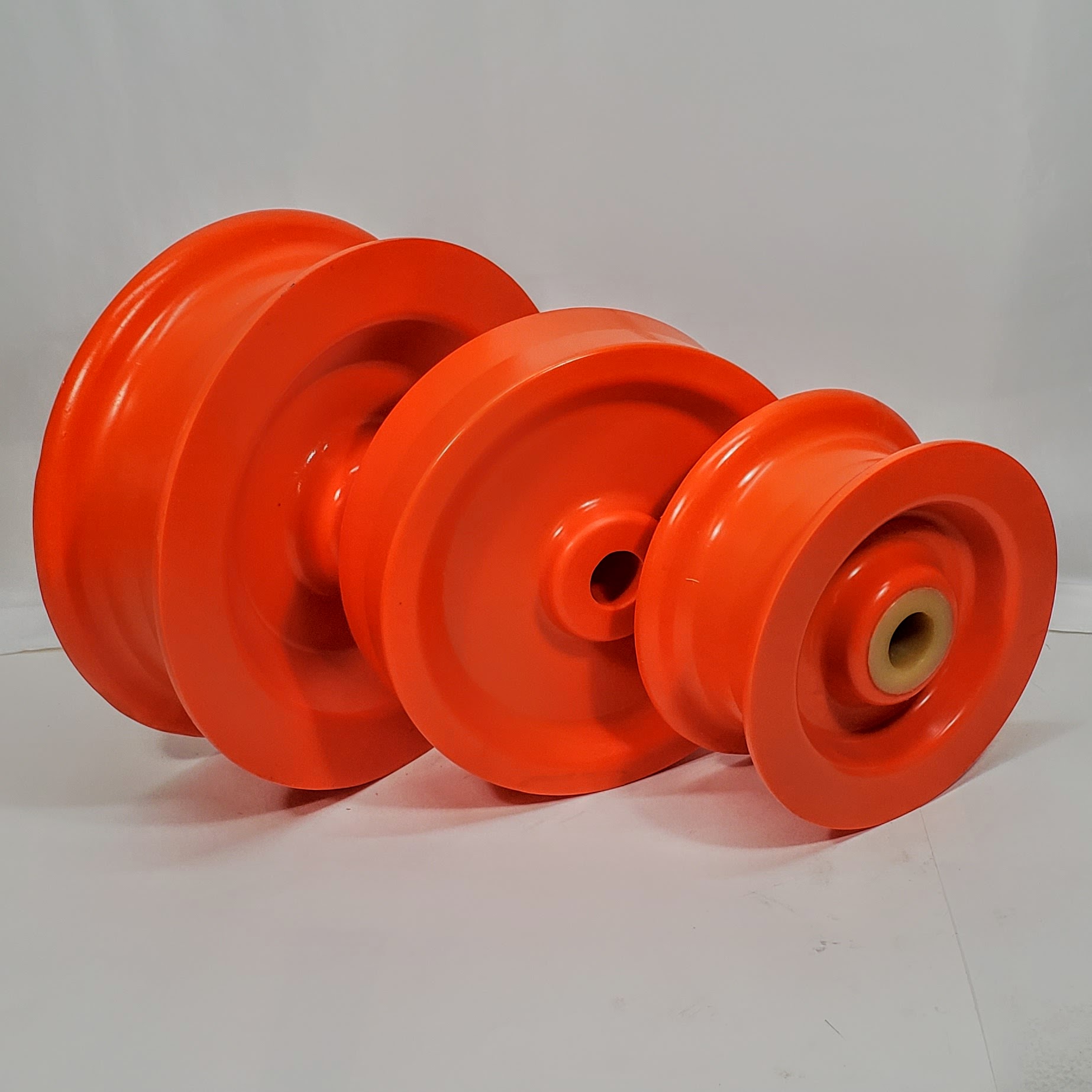
    Mine shaft pulley wheel

    Kastalon’s #sheavewheels come in many sizes to suit whatever size rope you may be using. The sheave wheel is a pulley wheel that sits above the mine shaft. The hoist cable passes over the sheave wheel and then down the shaft of the mine. The sheave wheel reduces the sliding friction of the mine cable. — Our sheaves meet the requirements of both the CMAA and the AIST #6 Crane Specifications. Contact a Kastalon sales representative to learn more: www.kastalon.com #mining #miningindustry

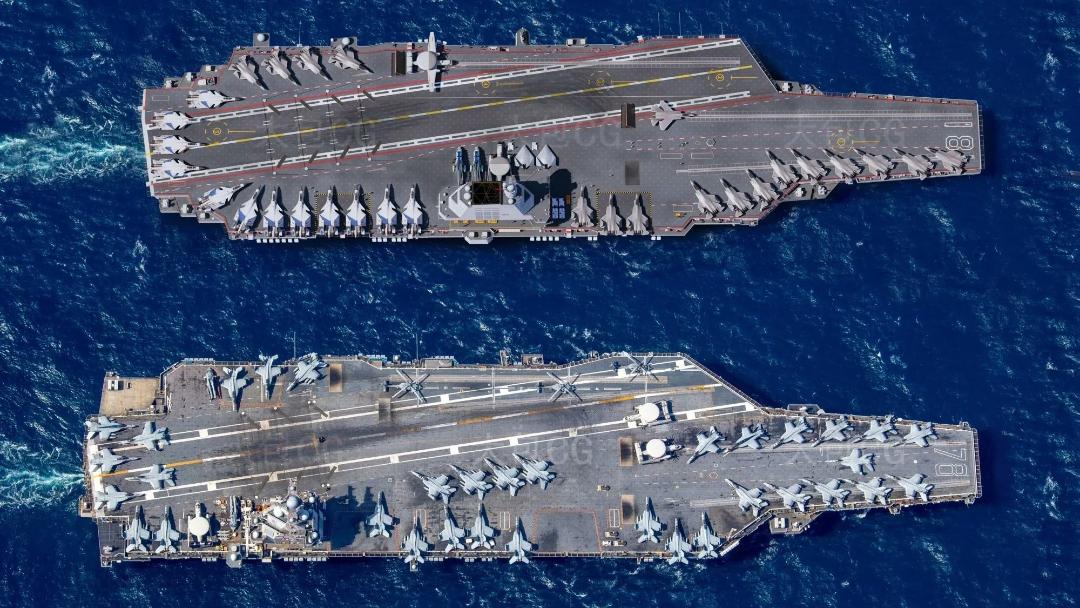
    Aircraft Carrier Arresting Gear Components

    The 8 diagonal olive drab strips at the rear 1/3 of the deck on the top ship and 6 on the lower are our parts. These are renewable wear surfaces that protect arresting gear components from wear and failure. (Failure would be catastrophic, usually resulting in the loss of an aircraft.) The #Navy found a flaw in the decades-old design and sought input from qualified suppliers. Kastalon’s design team went to work and offered a design and prototypes. The prototypes were field tested and found to be the most effective, highest reliability submission. #Kastalon’s parts are now the standard for this application. This is an example of the innovation and expertise we bring to every customer’s business. We understand the challenges and demands of our customer’s processes and are expert at making parts with the best mechanical properties and the best chemistry for their optimum performance. Quality, experience and service supporting your success. Ask the #Navy! #NavyContractor